
African American Poetry
Harlem Renaissance Links 
Reading Poetry Site
** Homework Questions ** (See Part Two
Part
Three )
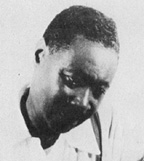
Claude McKay (1889-1948)
"America" (1921)
135:
- Describe the speaker's attitude towards America.
- Explain: "Her bigness sweeps my being like a flood"
(7).
- Explain lines 8-10.
"If We Must Die" (1919)
136:
- Which poem form is exemplified here? Be as specific
as
possible.
Explain.
- Who are "We"? Who are the dogs?
- Explain the final three lines.

Jean Toomer (1894-1967)
"Song of the Son" (1922)
137:
- To whom is this poem addressed?
- What do plums represent in this poem? Explain.
- Could "Son" have more than one meaning? Explain.
- Explain the fourth stanza.
Other Discussion Questions:
"America"
- Explain the final four lines.
"Song of the Son"
- Why does Toomer use the images of pine, red soil, and
sawdust
that he
does?
Part Two:
Homework Questions:

Langston Hughes (1902-1967)
"The Negro Speaks of Rivers" (1921)
See Video

129:
- Explain: "I've known rivers" (1).
- Has Hughes actually "done" everything he describes?
Explain.
"Harlem" (1951)
- What is a "dream deferred"?
- What does it mean to "explode"?
- Why is the last line italicized?
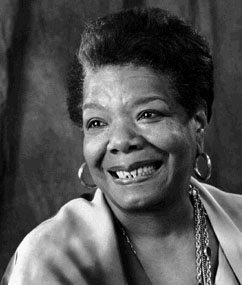
Maya Angelou (1928-2014)
"Still I Rise"(1978)
See Video
- To whom is this poem addressed?
- Explain the images of wealth used in this poem.
- Explain: "I am a black ocean, leaping and wide" (33).
- What are the "gifts my ancestors gave" (39)?
- What is the "dream and the hope of the slave" (40)?
Other Discussion Questions:
"Harlem" (1951)
- What does is mean to "dry up"?
- What does it mean to "fester" ?
- What does it mean to "sag"?
Angelou:
- How does Angelou's poem compare with Chopin's The
Awakening?
Part Three (optional):
Discussion Questions:

Countee Cullen (1903-1946)

"Yet Do I Marvel"
- How does this poem compare to McKay's "America" or
"If
We
Must
Die"? Explain.
- Which poem form is exemplified here? Be as specific
as
possible.
Explain.
- Who are Tantalus and Sisyphus?
- Explain the final two lines.

Mari Evans (1923- )
183:
- When did Evans achieve prominence as a writer?
"I Am a Black Woman"
184:
- How does this poem compare to Hughes's "The Negro Speaks
of
Rivers"
or Angelou's "Still I Rise"?
- What is a "sweet arpeggio of tears" (3)?
- Explain lines 13-17.
- Explain the final three lines.
Other Poets/Poems to Consider:
Countee Cullen
"Incident"
169:
- Describe the rhythm and rhyme used in this poem.
Why
does
Cullen
use this format?
- Why does Cullen call the other child a "Baltimorean"?
- What is the source of this child's racism?
- Why is this incident all that the speaker remembers?
- Does every person in Baltimore treat the young speaker
the
same
way?
Does it matter? Explain.
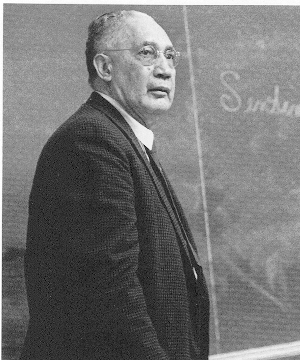
Sterling Brown (1901-1989)
152:
- Why did Alain Locke call Brown "the New Negro Folk Poet"?
"Strong Men"
154:
- Describe the language used in this poem.
- Who are the strong men?
- What is this poem about?
155:
- Why are the "blind men" blind (44)?

Paul Laurence Dunbar (1872-1906)
140:
- Why did "White America" praise Dunbar's "dialect
poetry"
but ignore
his "standard verse"?
"Sympathy"
142:
- What does the caged bird feel (1)?
- Why does the caged bird beat its wings (8)?
- Why does the caged bird sing (15)?
"We Wear the Mask"
143:
- What is the Mask? Why do "we" wear it?
- What is guile (3)?
- What are "myriad subtleties" (5)?
Gwendolyn Brooks (1917-2000)
"The Mother"
181:
- Explain the first line.
- Explain line 11.
- Explain line 21.
- Explain lines 22-23 (labelled 24-25 in the book).
Whose
"crime"
is it? Is it really a "crime"? Explain.
- Would the speaker have another abortion? Explain.
"We Real Cool" (1966)
182:
- Is this a celebration or a lament? Explain.
- Is the speaker being straightforward or ironic/sarcastic?
- What does "Jazz June" mean?
Back to Top
